
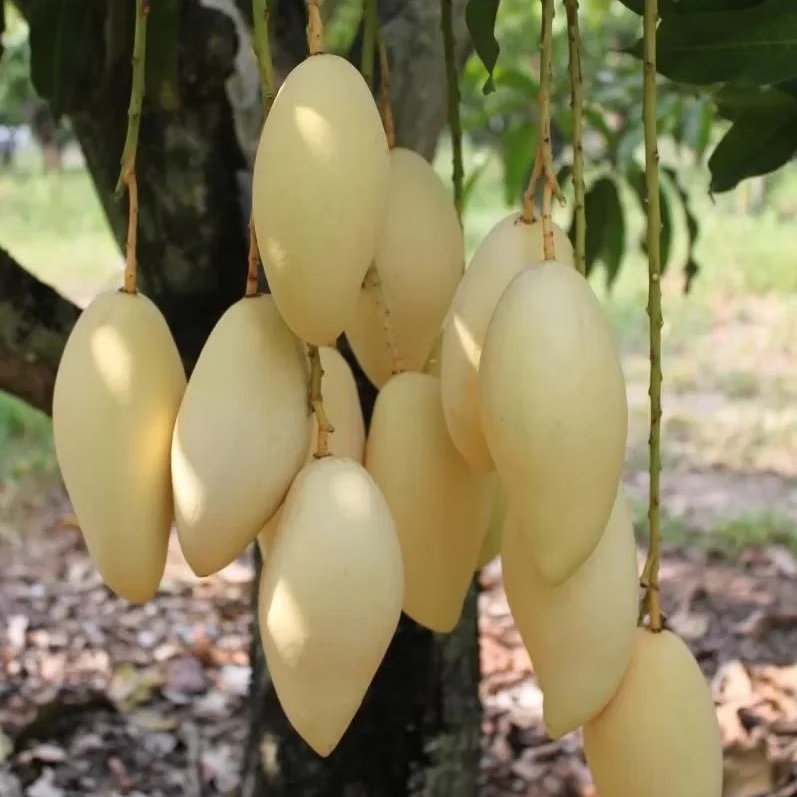
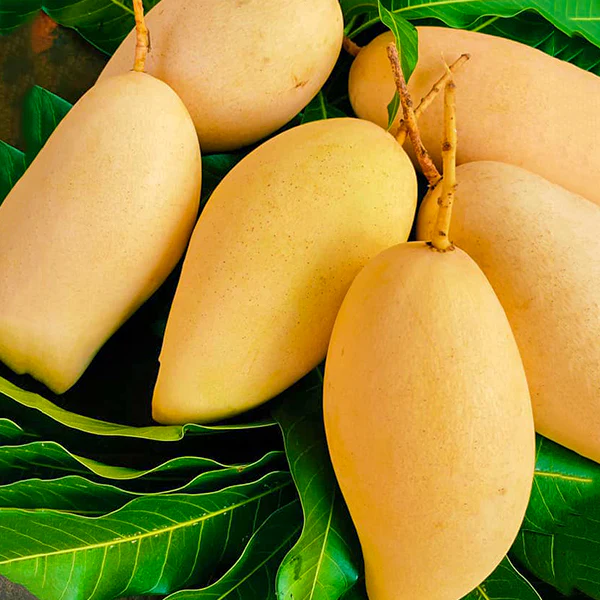
Nam Doc Mai mango, known for its sweet flavor and smooth texture, has various uses. Here are some of the most common applications:
Fresh Consumption: Enjoyed fresh due to its sweet taste and juicy flesh.
Smoothies and Juices: Blended into smoothies or juices for a refreshing drink.
Desserts: Used in desserts such as mango sticky rice, ice creams, and sorbets.
Salads: Added to fruit salads or savory salads for a tropical twist.
Chutneys and Salsas: Incorporated into chutneys or salsas for added sweetness and flavor.
Spices: Pairs well with spices like chili, lime, and salt.
Other Fruits: Complements other tropical fruits like coconut and pineapple.
Rich in Vitamins: High in vitamins A and C, which are beneficial for skin and immune health.
Antioxidants: Contains antioxidants that help combat oxidative stress.
Skin Care: The pulp can be used in face masks for moisturizing and nourishment.
Hair Treatments: Mango extracts are sometimes included in hair conditioners for added shine.
Festivals: Often featured in culinary traditions during festivals in Southeast Asia.
Symbol of Hospitality: Given as gifts to symbolize hospitality and friendship.
Nam Doc Mai mango is versatile and enjoyed in various forms, making it a popular choice in many cuisines. Its nutritional benefits and cultural significance further enhance its value.
Choose a location with full sun exposure, as mango trees thrive in bright sunlight. Ensure the soil is well-draining to prevent root rot.
Mango trees prefer sandy loam or clay loam soils with a pH level between 5.5 and 7.5. Amend the soil with organic matter to improve fertility and drainage.
Water the tree regularly, especially during dry spells. Young trees require more frequent watering, while established trees can tolerate drought. Avoid overwatering.
Apply a balanced fertilizer specifically formulated for fruit trees in early spring and again in late summer. Follow the manufacturer’s instructions for dosage.
Prune the tree to remove dead or diseased branches and to shape the canopy. This encourages better air circulation and sunlight penetration.
Monitor for common pests such as aphids, mealybugs, and fruit flies. Use organic insecticides or neem oil as needed. Keep an eye out for diseases like powdery mildew and anthracnose.
Harvest Nam Doc Mai mangoes when they are mature but still firm. The fruit should have a slight yellow color and emit a sweet aroma. Handle the fruit gently to avoid bruising.
In colder climates, protect the tree from frost by covering it or using mulch around the base. If possible, plant in a sheltered location.
Regularly inspect the tree for signs of stress, nutrient deficiencies, or pest infestations. Early detection and intervention can help maintain tree health.
Apply a layer of organic mulch around the base of the tree to retain moisture, suppress weeds, and improve soil quality as it decomposes.
By following these care and maintenance guidelines, you can ensure that your Nam Doc Mai mango tree remains healthy and productive.