
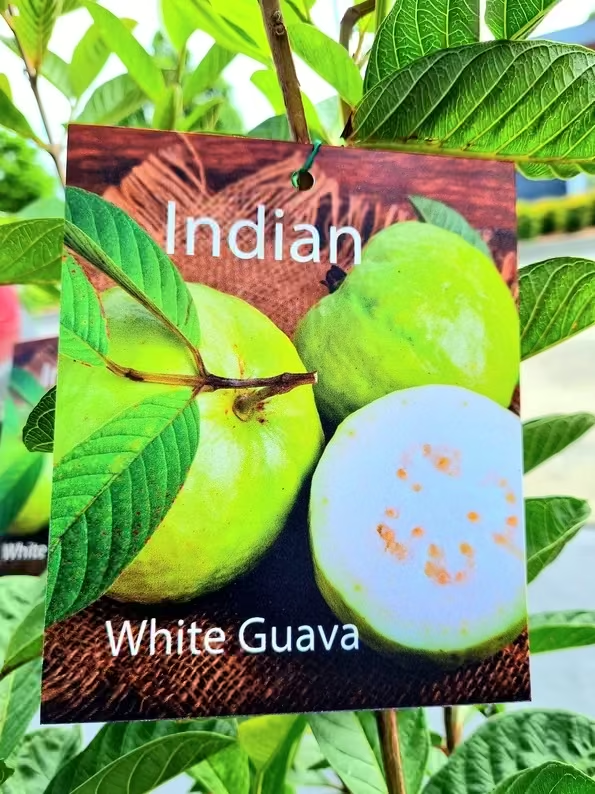
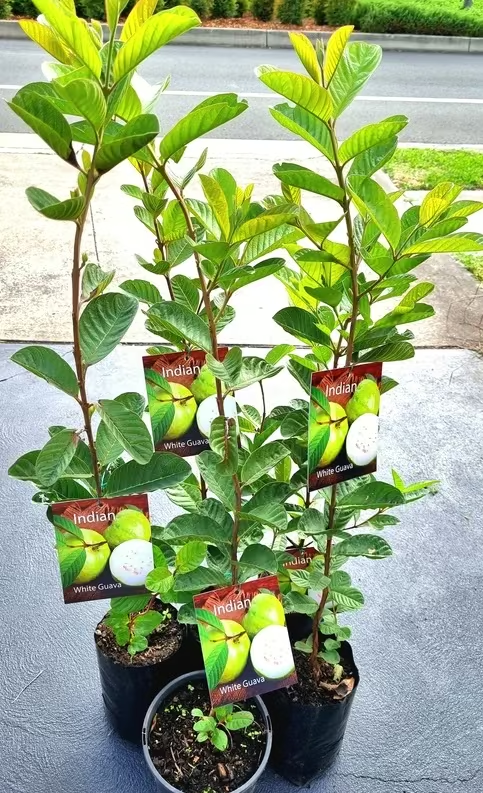
Guava is packed with essential nutrients, including vitamins A, C, and E, as well as dietary fiber and antioxidants, making it a powerhouse for overall health.
Rich in vitamin C, guava helps strengthen the immune system, protecting the body against infections and illnesses.
The high fiber content in guava aids in digestion, helps prevent constipation, and promotes a healthy gut.
Guava may help lower blood pressure and cholesterol levels, reducing the risk of heart disease.
The antioxidants in guava, particularly vitamin C, can help improve skin texture and reduce signs of aging.
Guava has a low glycemic index and may help regulate blood sugar levels, making it a good choice for diabetics.
Low in calories yet high in fiber, guava can help you feel full longer, aiding in weight management.
Guava contains vitamin A, which is essential for maintaining good vision and preventing eye-related issues.
The anti-inflammatory compounds in guava can help reduce inflammation and pain in the body.
Guava may enhance brain function due to its high antioxidant content, which helps protect against cognitive decline.
1. Planting Location
Choose a sunny location with well-draining soil for planting guava. The plant thrives in full sun and requires at least 6-8 hours of direct sunlight daily.
2. Soil Requirements
Guava prefers slightly acidic to neutral soil (pH 6.0-7.0). Ensure the soil is rich in organic matter and well-aerated to promote healthy root growth.
3. Watering
Water the guava plant regularly, especially during dry spells. The soil should be kept moist but not waterlogged. Reduce watering during the dormant season.
4. Fertilization
Feed the guava plant with a balanced fertilizer every 4-6 weeks during the growing season. Organic options like compost or well-rotted manure can also be beneficial.
5. Pruning
Prune the guava plant to remove dead or diseased branches and to shape the plant. This encourages better air circulation and light penetration, promoting healthy growth.
6. Pest and Disease Management
Pests: Watch for common pests such as aphids, whiteflies, and spider mites. Use insecticidal soap or neem oil for treatment.
Diseases: Fungal diseases like root rot can occur in overly wet conditions. Ensure proper drainage and avoid overwatering.
7. Harvesting
Guava fruits are usually ready to harvest when they change color and yield slightly to pressure. Harvest them carefully to avoid damaging the plant.
8. Winter Care
If you live in a region with cold winters, consider protecting the guava plant by covering it or moving it indoors if it’s in a container. Maintain minimal watering during the winter months.
9. Additional Tips
Mulching around the base of the plant can help retain moisture and suppress weeds.
Regularly check for signs of stress, such as wilting or yellowing leaves, and adjust care accordingly.
With proper care and maintenance, your guava plant can thrive and produce delicious fruits for years to come.