1. Ornamental Purposes
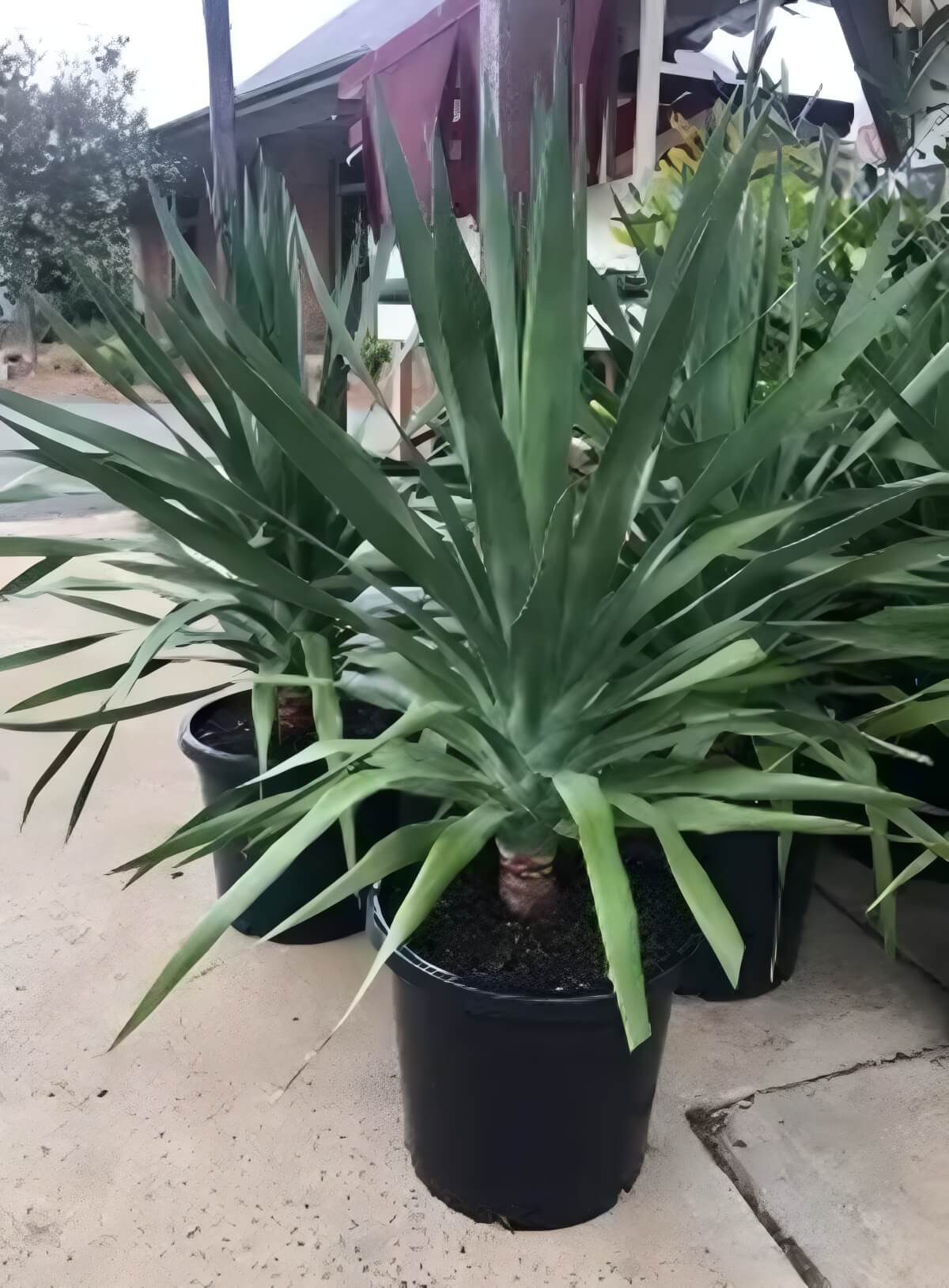
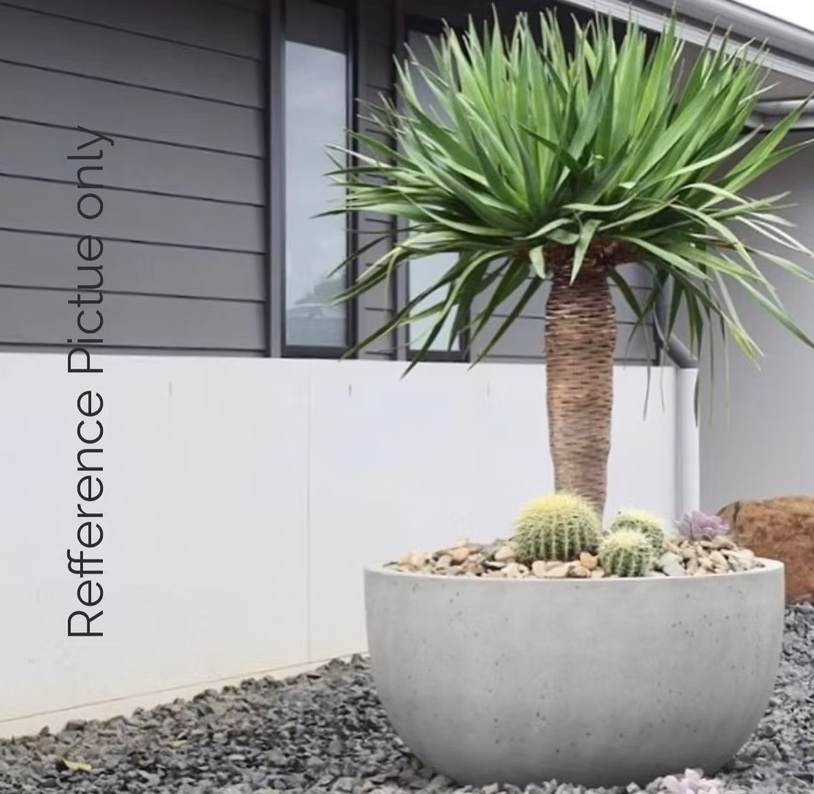
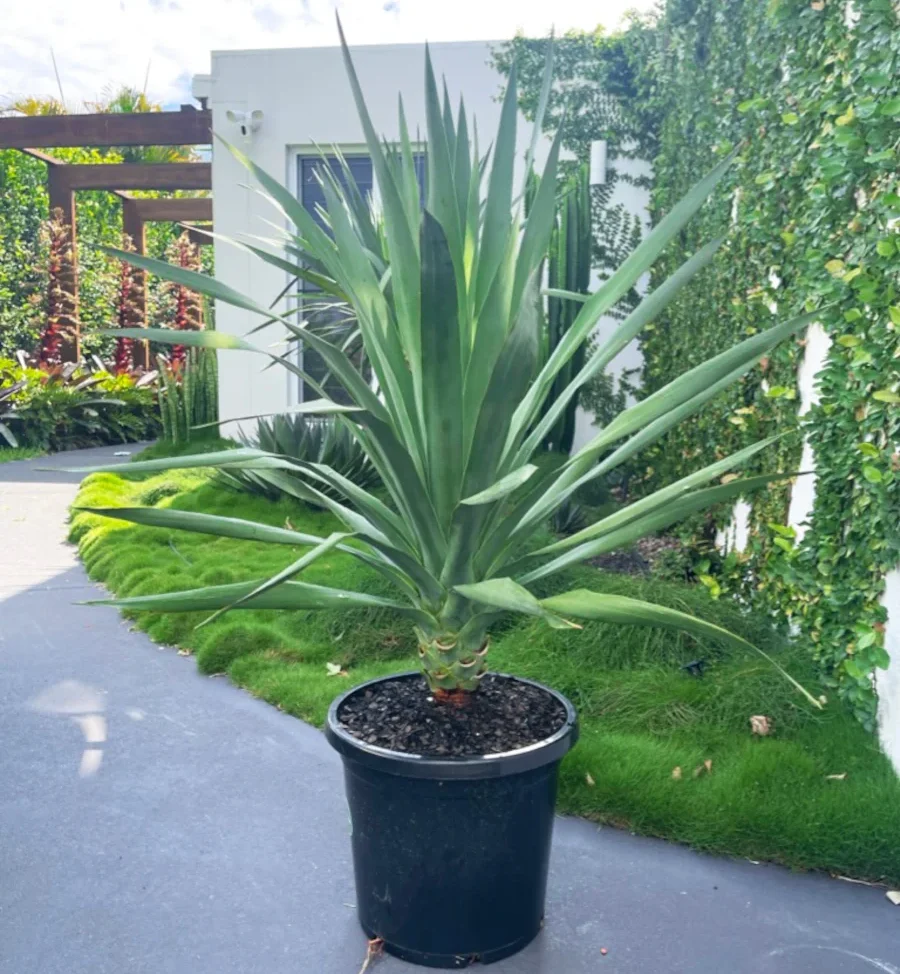
Dragon trees (Dracaena draco) are popular as ornamental plants due to their striking appearance. Their unique, sculptural form and attractive foliage make them suitable for indoor and outdoor landscaping.
2. Medicinal Uses
The resin of the dragon tree, known as dragon’s blood, has been used in traditional medicine for its purported healing properties. It is believed to have anti-inflammatory, antibacterial, and antioxidant effects.
3. Cultural Significance
In various cultures, dragon trees are associated with folklore and mythology. The resin, dragon’s blood, has historical significance in rituals and is used in incense and dyes.
4. Craft and Art Supplies
Dragon’s blood resin has been utilized in crafting, particularly in making varnishes and as a pigment in art. Its deep red color is valued for its aesthetic qualities.
5. Air Purification
As a houseplant, the dragon tree is known for its ability to improve indoor air quality by filtering toxins and releasing oxygen, making it a popular choice for home and office environments.
6. Landscaping and Erosion Control
In its native habitats, dragon trees are used in landscaping for their drought resistance and ability to thrive in poor soil conditions, helping to prevent erosion in arid regions.