
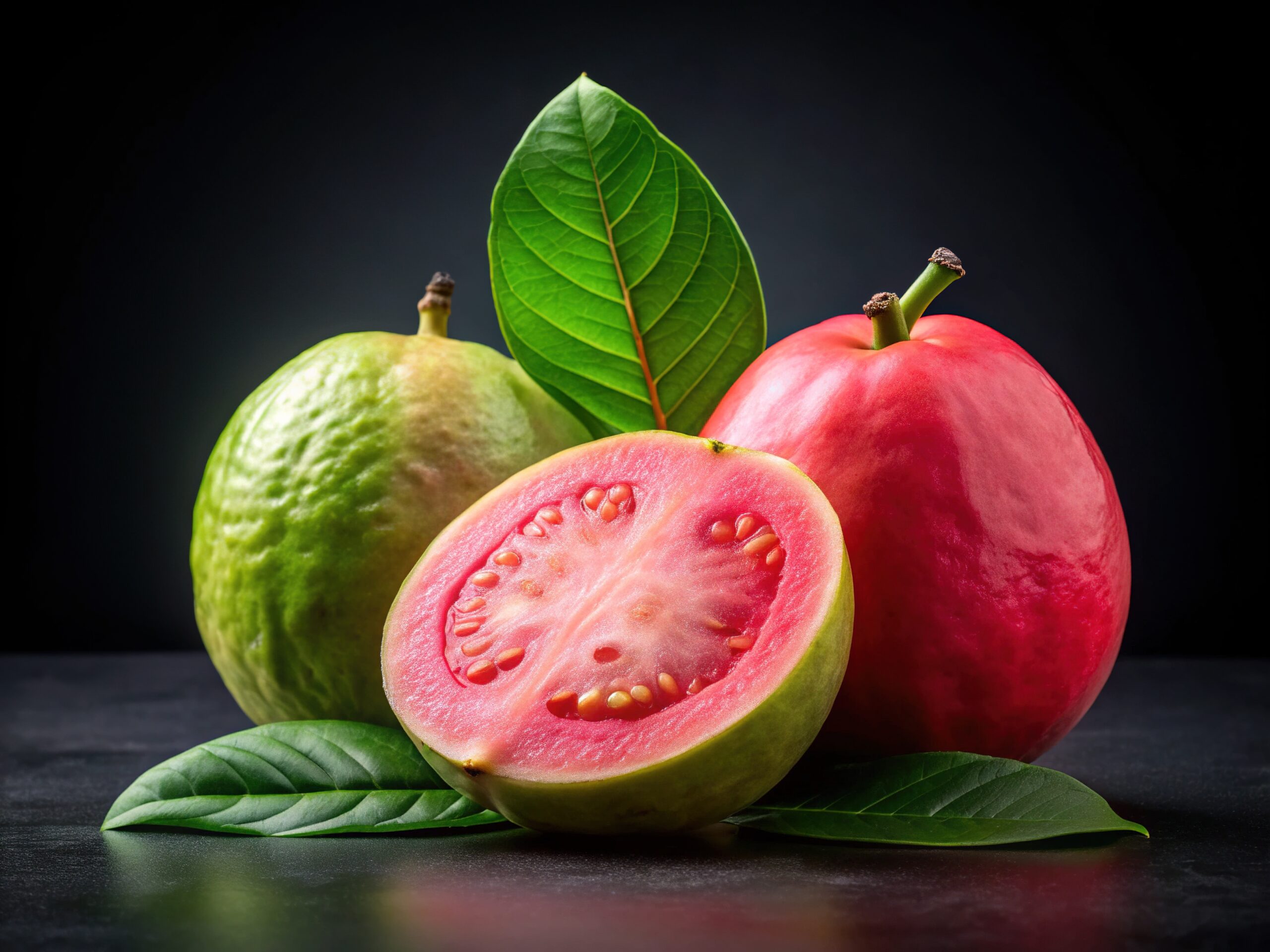
Guava is packed with essential vitamins and minerals, including:
Vitamin C
Vitamin A
Folate
Potassium
Fiber
The high vitamin C content in guava helps strengthen the immune system, making it effective in fighting infections and illnesses.
Guava is rich in dietary fiber, which promotes healthy digestion and helps prevent constipation.
Regular consumption of guava may help lower blood pressure and cholesterol levels, contributing to overall heart health.
The antioxidants and vitamins in guava can help maintain healthy skin and may reduce the signs of aging.
Guava has a low glycemic index and may help regulate blood sugar levels, making it beneficial for individuals with diabetes.
Being low in calories and high in fiber, guava can be a great addition to a weight loss diet.
Guava contains vitamin A, which is essential for maintaining good vision and eye health.
Incorporating guava into your diet can provide numerous health benefits, making it a valuable fruit for overall wellness.
1. Planting Location
Choose a sunny location with well-draining soil. Guava plants thrive in full sun and require at least 6-8 hours of direct sunlight daily.
2. Soil Requirements
Use loamy or sandy soil with a pH level between 5.5 and 7.0. Ensure good drainage to prevent root rot.
3. Watering
Water regularly, especially during dry periods. The soil should be kept moist but not soggy. Allow the top inch of soil to dry out between watering sessions.
4. Fertilization
Fertilize guava plants with a balanced fertilizer every 4-6 weeks during the growing season. Use a fertilizer high in potassium to promote fruit development.
5. Pruning
Prune guava plants to encourage bushy growth and remove any dead or diseased branches. This should be done in late winter or early spring before new growth begins.
6. Pest and Disease Management
Monitor for common pests such as aphids, whiteflies, and fruit flies.
Use insecticidal soap or neem oil for pest control.
Ensure good air circulation to prevent fungal diseases.
7. Harvesting
Harvest guavas when they are fully ripe, which is indicated by a change in color and a slight softness when squeezed. This typically occurs 4-6 months after flowering.
8. Winter Care
In colder climates, protect guava plants from frost by covering them or bringing potted plants indoors. Ensure they still receive adequate light and water.
9. Common Varieties
Common Guava (Psidium guajava)
Strawberry Guava (Psidium cattleianum)
Yellow Guava (Psidium guajava var. flavidum)
10. Additional Tips
Consider planting companion plants to deter pests.
Regularly check for signs of nutrient deficiency, such as yellowing leaves.
Mulch around the base of the plant to retain moisture and suppress weeds.