


Lychee is not only delicious but also packed with essential nutrients. It contains:
Vitamins (especially Vitamin C)
Minerals (such as potassium and copper)
Antioxidants
Dietary fiber
Lychee is rich in Vitamin C, which is known to enhance the immune system, helping the body fight off infections and illnesses.
The antioxidants in lychee, particularly flavonoids, can help reduce inflammation and lower the risk of heart disease by improving blood circulation and reducing blood pressure.
Lychee contains dietary fiber, which promotes healthy digestion and helps prevent constipation.
The high Vitamin C content and antioxidants in lychee can contribute to healthier skin by combating free radicals and promoting collagen production.
Low in calories and high in water content, lychee can be a great addition to a weight management plan, helping to keep you hydrated and satisfied.
Lychee contains copper, which is essential for the formation of red blood cells, potentially improving overall blood circulation.
The antioxidants in lychee may help reduce inflammation in the body, which is linked to various chronic diseases.
Some studies suggest that the polyphenols in lychee may have anti-cancer properties, although more research is needed in this area.
Incorporating lychee into your diet can provide numerous health benefits while adding a unique flavor to your meals. However, moderation is key, as excessive consumption may lead to digestive issues.
1. Planting Location
Lychee plants thrive in warm, subtropical to tropical climates. Choose a location with:
Full sun exposure (at least 6-8 hours of sunlight daily).
Well-drained soil, preferably sandy loam with good organic matter.
Protection from strong winds.
2. Watering
Proper watering is crucial for the health of a lychee plant:
Water regularly, especially during dry spells, but avoid waterlogging.
Ensure the soil remains consistently moist but not soggy.
Reduce watering during the dormant season (winter).
3. Fertilization
Fertilizing helps promote healthy growth:
Use a balanced fertilizer (N-P-K) during the growing season (spring and summer).
Apply organic compost to improve soil fertility.
Avoid over-fertilization, which can damage the roots.
4. Pruning
Pruning is essential for maintaining the shape and health of the plant:
Prune in late winter or early spring before new growth starts.
Remove dead, damaged, or crossing branches to improve airflow.
Thin out excessive growth to enhance fruit production.
5. Pest and Disease Management
Monitor for common pests and diseases:
Watch for aphids, scale, and fruit flies; use insecticidal soap or neem oil for control.
Maintain good air circulation to prevent fungal diseases.
Remove any affected plant parts promptly to minimize spread.
6. Harvesting
Harvesting lychees at the right time is crucial:
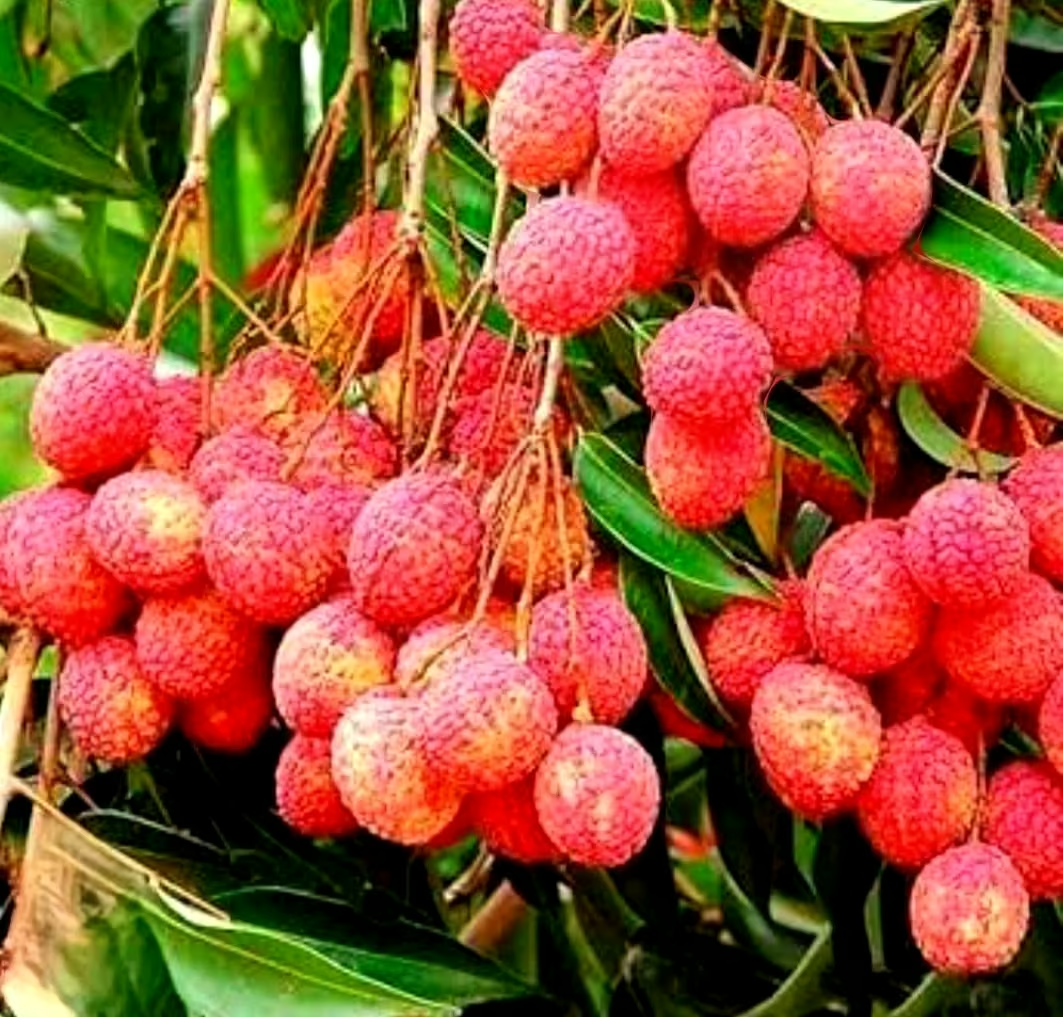
Harvest when the fruit turns bright red and is slightly soft to the touch.
Handle carefully to avoid bruising the delicate fruit.
7. Winter Care
In cooler climates, protect the plant during winter:
Consider covering the plant with frost cloth during cold snaps.
If potted, move the plant indoors or to a sheltered area.
With proper care and maintenance, your lychee plant can thrive and produce delicious fruit. Regular attention to watering, fertilization, pruning, and pest management will ensure a healthy and productive plant.