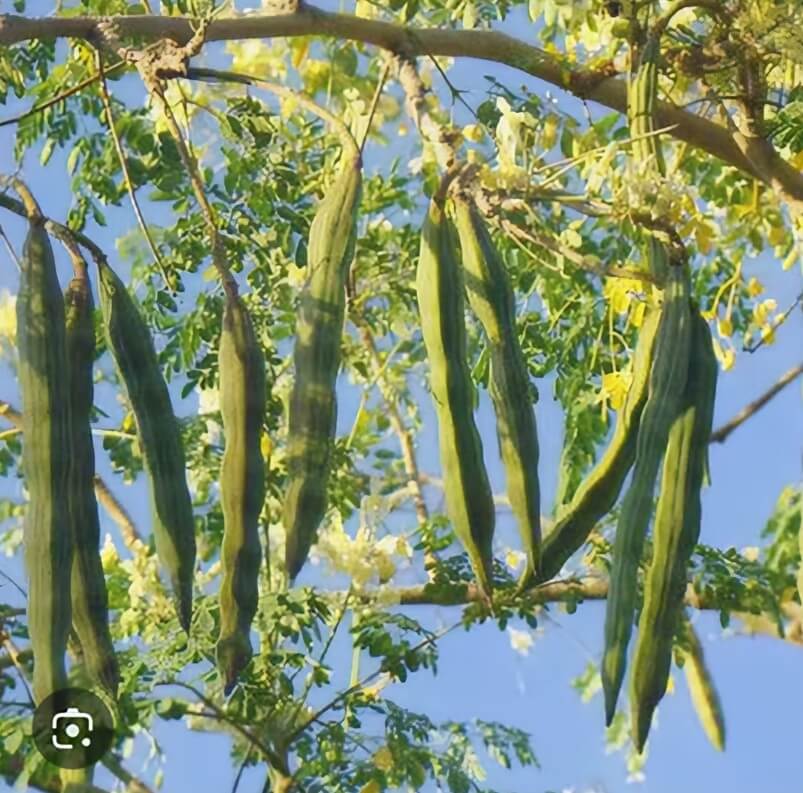
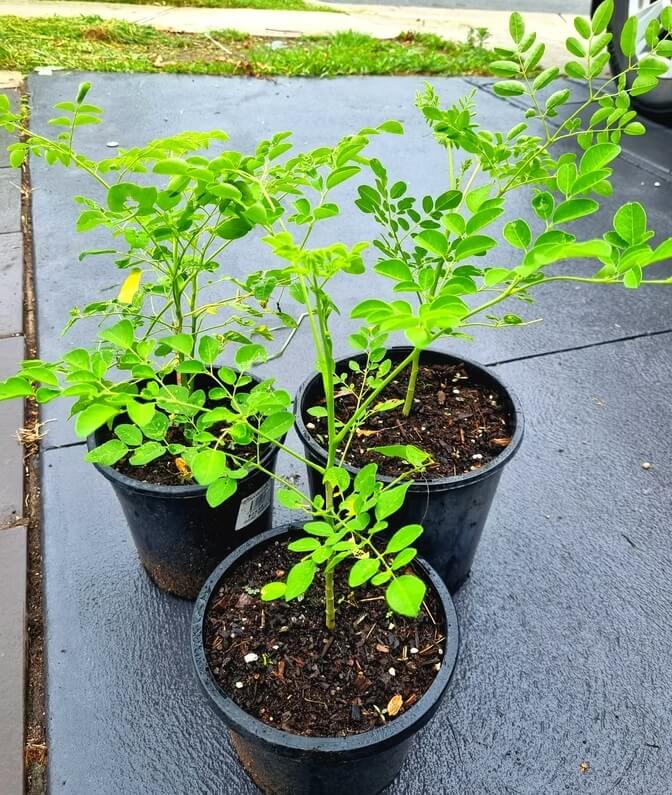

Moringa leaves are packed with essential vitamins and minerals, including:
Vitamin A
Vitamin C
Calcium
Potassium
Iron
Moringa contains powerful antioxidants such as quercetin, chlorogenic acid, and beta-carotene, which help combat oxidative stress and reduce inflammation in the body.
The compounds found in moringa can help lower inflammation, potentially benefiting conditions like arthritis and other inflammatory diseases.
Studies suggest that moringa may help lower blood sugar levels, making it beneficial for individuals with diabetes or those at risk of developing the condition.
Moringa may support heart health by improving cholesterol levels and reducing the risk of heart disease.
The high fiber content in moringa can aid digestion and promote gut health, helping to prevent constipation.
Rich in vitamins and antioxidants, moringa can help strengthen the immune system, enhancing the body’s ability to fight infections.
Moringa oil is often used in skincare products due to its moisturizing properties, while its nutrients can promote healthy hair growth.
Some studies indicate that moringa may have anti-cancer effects due to its ability to inhibit the growth of cancer cells.
Moringa is traditionally used to enhance breast milk production in nursing mothers.
The moringa plant offers a wide range of health benefits, making it a valuable addition to a balanced diet. However, it is always advisable to consult with a healthcare professional before adding any new supplement to your routine.
Moringa plants thrive in well-draining soil with a pH level between 6.0 and 7.0. Sandy or loamy soils are ideal. Ensure good drainage to prevent root rot.
Water the moringa plant regularly, especially during the dry season. However, avoid overwatering; the soil should be allowed to dry out between watering sessions.
Moringa plants require full sunlight for at least 6 hours a day. Choose a location that receives ample sunlight for optimal growth.
Use a balanced fertilizer every few months to provide essential nutrients. Organic compost can also be beneficial for enhancing soil fertility.
Prune the moringa plant to promote bushier growth and remove any dead or diseased branches. This helps improve air circulation and overall plant health.
Regularly inspect the plant for pests such as aphids and spider mites. Use organic insecticides or neem oil if necessary. Ensure good air circulation to prevent fungal diseases.
Leaves can be harvested once the plant is established, typically after 6-8 months. Regular harvesting encourages new growth and keeps the plant healthy.
If you live in a colder climate, consider bringing the moringa plant indoors or providing protection during winter months, as they are sensitive to frost.
Monitor for signs of stress, such as yellowing leaves or stunted growth.
Mulch around the base of the plant to retain moisture and suppress weeds.
Consider companion planting to enhance growth and deter pests.